Bench Seating: Where Comfort Meets Versatility
Wiki Article
Bench seating has long been a staple in several settings, from parks and gardens to dining rooms and public transit. Its enduring popularity could be attributed to an ideal balance it strikes between comfort, functionality, and style. In this article, we'll explore the field of bench seating, its history, its diverse applications, as well as the many advantages that make it a favored choice both in residential and commercial spaces.
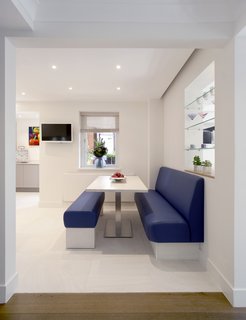
The of Bench Seating:
The thought of bench seating dates back to ancient civilizations. Egyptians, Greeks, and Romans all used variations of benches for seating purposes. These early benches were often produced from wood and stone and were typically backless. As time passes, bench design evolved, incorporating cushions and fabric for added comfort. In recent history, bench seating became a common feature in public transportation, parks, and sports stadiums.
Versatility and Space Efficiency:
Among the standout top features of bench seating is its versatility. It could be customized to fit a wide range of spaces, from cozy breakfast nooks to expansive dining areas and waiting rooms. Its space-saving design causes it to be an excellent option for smaller places that individual chairs might feel cluttered.
Comfort and Social Interaction:
Bench seating is symbolic of comfort. Its continuous seating surface provides ample room to loosen up, relax, or cozy up with loved ones. Additionally, bench seating encourages social interaction by bringing people closer together. Be it sharing meals, engaging in conversation, or having a view, benches create a sense of togetherness that is often lacking with individual seating.
Indoor and Outdoor Applications:
Bench seating seamlessly transitions between outdoor and indoor spaces. In gardens and parks, benches provide a tranquil spot to enjoy nature. In dining rooms, they supply a communal dining experience. On patios and terraces, they've created a welcoming environment for relaxation and socializing. Bench seating's adaptability is among its greatest assets.
Design Diversity:
Bench seating comes in a variety of designs, materials, and fashoins. From sleek and modern to rustic and traditional, there is a bench to suit every aesthetic preference. Benches can be produced from wood, metal, concrete, or perhaps a combination of materials. They can feature backrests, cushions, and also storage options, offering both comfort and functionality.
Commercial and Residential Use:
In commercial spaces, bench seating is a practical choice. It maximizes seating capacity in restaurants, cafes, and waiting areas while providing a cohesive look. In residential settings, bench seating adds character and charm to dining rooms, entryways, and bedrooms. Its adaptability can make it a versatile accessory for any space.
Conclusion:
Bench seating is more than just a destination to sit; it is a versatile and multifunctional design element that can transform any space right into a comfortable and inviting haven. Its rich history, adaptability, and style diversity make sure that bench seating will continue to be a beloved choice in the residential and commercial settings. You may be enjoying a meal with loved ones, taking a moment to unwind in a park, or waiting for your next adventure in the transit station, Bench Seating remains an ageless and enduring part of our lives.